
Featured

what is infectious disease,

Health and science

Infectious diseases

Overview

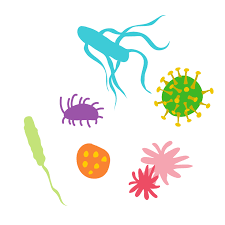
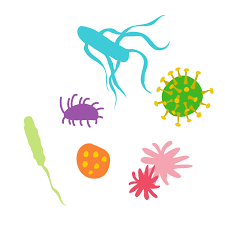
Infectious diseases are disorders caused by organisms — such as bacteria, viruses, fungi or parasites. Many organisms live in and on our bodies. They’re normally harmless or even helpful. But under certain conditions, some organisms may cause disease.

Some infectious diseases can be passed from person to person. Some are transmitted by insects or other animals. And you may get others by consuming contaminated food or water or being exposed to organisms in the environment.

Signs and symptoms vary depending on the organism causing the infection, but often include fever and fatigue. Mild infections may respond to rest and home remedies, while some life-threatening infections may need hospitalization.

Many infectious diseases, such as measles and chickenpox, can be prevented by vaccines. Frequent and thorough hand-washing also helps protect you from most infectious diseases.

Symptoms

Each infectious disease has its own specific signs and symptoms. General signs and symptoms common to a number of infectious diseases include:

  • Fever
  • Diarrhea
  • Fatigue
  • Muscle aches
  • Coughing

When to see a doctor

Seek medical attention if you:

  • Have been bitten by an animal
  • Are having trouble breathing
  • Have been coughing for more than a week
  • Have severe headache with fever
  • Experience a rash or swelling
  • Have unexplained or prolonged fever
  • Have sudden vision problems

Causes

Infectious diseases can be caused by:

  • Bacteria. These one-cell organisms are responsible for illnesses such as strep throat, urinary tract infections and tuberculosis.
  • Viruses. Even smaller than bacteria, viruses cause a multitude of diseases ranging from the common cold to AIDS.
  • Fungi. Many skin diseases, such as ringworm and athlete’s foot, are caused by fungi. Other types of fungi can infect your lungs or nervous system.
  • Parasites. Malaria is caused by a tiny parasite that is transmitted by a mosquito bite. Other parasites may be transmitted to humans from animal feces.

Direct contact

An easy way to catch most infectious diseases is by coming in contact with a person or an animal with the infection. Infectious diseases can be spread through direct contact such as:

  • Person to person. Infectious diseases commonly spread through the direct transfer of bacteria, viruses or other germs from one person to another. This can happen when an individual with the bacterium or virus touches, kisses, or coughs or sneezes on someone who isn’t infected.These germs can also spread through the exchange of body fluids from sexual contact. The person who passes the germ may have no symptoms of the disease, but may simply be a carrier.
  • Animal to person. Being bitten or scratched by an infected animal — even a pet — can make you sick and, in extreme circumstances, can be fatal. Handling animal waste can be hazardous, too. For example, you can get a toxoplasmosis infection by scooping your cat’s litter box.
  • Mother to unborn child. A pregnant woman may pass germs that cause infectious diseases to her unborn baby. Some germs can pass through the placenta or through breast milk. Germs in the vagina can also be transmitted to the baby during birth.

Indirect contact

Disease-causing organisms also can be passed by indirect contact. Many germs can linger on an inanimate object, such as a tabletop, doorknob or faucet handle.

When you touch a doorknob handled by someone ill with the flu or a cold, for example, you can pick up the germs he or she left behind. If you then touch your eyes, mouth or nose before washing your hands, you may become infected.

Insect bites

Some germs rely on insect carriers — such as mosquitoes, fleas, lice or ticks — to move from host to host. These carriers are known as vectors. Mosquitoes can carry the malaria parasite or West Nile virus. Deer ticks may carry the bacterium that causes Lyme disease.

Food contamination

Disease-causing germs can also infect you through contaminated food and water. This mechanism of transmission allows germs to be spread to many people through a single source. Escherichia coli (E. coli), for example, is a bacterium present in or on certain foods — such as undercooked hamburger or unpasteurized fruit juice.

Risk factors

While anyone can catch infectious diseases, you may be more likely to get sick if your immune system isn’t working properly. This may occur if:

  • You’re taking steroids or other medications that suppress your immune system, such as anti-rejection drugs for a transplanted organ
  • You have HIV or AIDS
  • You have certain types of cancer or other disorders that affect your immune system

In addition, certain other medical conditions may predispose you to infection, including implanted medical devices, malnutrition and extremes of age, among others.

Complications

Most infectious diseases have only minor complications. But some infections — such as pneumonia, AIDS and meningitis — can become life-threatening. A few types of infections have been linked to a long-term increased risk of cancer:

  • Human papillomavirus is linked to cervical cancer
  • Helicobacter pylori is linked to stomach cancer and peptic ulcers
  • Hepatitis B and C have been linked to liver cancer

In addition, some infectious diseases may become silent, only to appear again in the future — sometimes even decades later. For example, someone who’s had chickenpox may develop shingles much later in life.

Prevention

Follow these tips to decrease the risk of infection:

  • Wash your hands. This is especially important before and after preparing food, before eating, and after using the toilet. And try not to touch your eyes, nose or mouth with your hands, as that’s a common way germs enter the body.
  • Get vaccinated. Vaccination can drastically reduce your chances of contracting many diseases. Make sure to keep up to date on your recommended vaccinations, as well as your children’s.
  • Stay home when ill. Don’t go to work if you are vomiting, have diarrhea or have a fever. Don’t send your child to school if he or she has these signs, either.
  • Prepare food safely. Keep counters and other kitchen surfaces clean when preparing meals. Cook foods to the proper temperature, using a food thermometer to check for doneness. For ground meats, that means at least 160 F (71 C); for poultry, 165 F (74 C); and for most other meats, at least 145 F (63 C).Also promptly refrigerate leftovers — don’t let cooked foods remain at room temperature for long periods of time.
  • Practice safe sex. Always use condoms if you or your partner has a history of sexually transmitted infections or high-risk behavior.
  • Don’t share personal items. Use your own toothbrush, comb and razor. Avoid sharing drinking glasses or dining utensils.
  • Travel wisely. If you’re traveling out of the country, talk to your doctor about any special vaccinations — such as yellow fever, cholera, hepatitis A or B, or typhoid fever — you may need.To have information about your Life.

what is constipation and cause with multiple times reat….

Health & science

diseases,liver, heart,skin

What is constipation?

Health & science

Constipation

Constipation occurs when bowel movements become less frequent and stools become difficult to pass. It happens most often due to changes in diet or routine, or due to inadequate intake of fiber. You should call your doctor if you have severe pain, blood in your stools, or constipation that lasts longer than three weeks.


What is constipation?

Having fewer than three bowel movements a week is, technically, the definition of constipation. However, how often you “go” varies widely from person to person. Some people have bowel movements several times a day while others have them only one to two times a week. Whatever your bowel movement pattern is, it’s unique and normal for you – as long as you don’t stray too far from your pattern.

Regardless of your bowel pattern, one fact is certain: the longer you go before you “go,” the more difficult it becomes for stool/poop to pass. Other key features that usually define constipation include:

Your stools are dry and hard.

Your bowel movement is painful and stools are difficult to pass.

You have a feeling that you have not fully emptied your bowels.

How common is constipation?

You are not alone if you have constipation. Constipation is one of the most frequent gastrointestinal complaints in the United States. At least 2.5 million people see their doctor each year due to constipation.

People of all ages can have an occasional bout of constipation. There are also certain people and situations that are more likely to lead to becoming more consistently constipated (“chronic constipation”). These include:

Older age. Older people tend to be less active, have a slower metabolism and less muscle contraction strength along their digestive tract than when they were younger.

Being a woman, especially while you are pregnant and after childbirth. Changes in a woman’s hormones make them more prone to constipation. The baby inside the womb squishes the intestines, slowing down the passage of stool.

Not eating enough high-fiber foods. High-fiber foods keep food moving through the digestive system.

Taking certain medications (see causes).

Having certain neurological (diseases of the brain and spinal cord) and digestive disorders (see causes).


How does constipation happen?

Constipation happens because your colon absorbs too much water from waste (stool/poop), which dries out the stool making it hard in consistency and difficult to push out of the body.

To back up a bit, as food normally moves through the digestive tract, nutrients are absorbed. The partially digested food (waste) that remains moves from the small intestine to the large intestine, also called the colon. The colon absorbs water from this waste, which creates a solid matter called stool. If you have constipation, food may move too slowly through the digestive tract. This gives the colon more time – too much time – to absorb water from the waste. The stool becomes dry, hard, and difficult to push out.

Can constipation cause internal damage or lead to other health problems?

There are a few complications that could happen if you don’t have soft, regular bowel movements. Some complications include:

Swollen, inflamed veins in your rectum (a condition called hemorrhoids).

Tears in the lining of your anus from hardened stool trying to pass through (called anal fissures).

An infection in pouches that sometimes form off the colon wall from stool that has become trapped and infected (a condition called diverticulitis)

A pile-up of too much stool/poop in the rectum and anus (a condition called fecal impaction).

Damage to your pelvic floor muscles from straining to move your bowels. These muscles help control your bladder. Too much straining for too long a period of time may cause urine to leak from the bladder (a condition called stress urinary incontinence).


Does not having regular bowel movements cause toxins to build up in my body and make me sick?

Don’t worry, this usually isn’t the case. Although your colon holds on to stool longer when you are constipated and you may feel uncomfortable, the colon is an expandable container for your waste. There is possibly a slight risk of a bacterial infection if waste gets into an existing wound in the colon or rectum.

SYMPTOMS AND CAUSES

What causes constipation?

There are many causes of constipation – lifestyle choices, medications, medical conditions, and pregnancy.

Common lifestyle causes of constipation include:

Eating foods low in fiber.

Not drinking enough water (dehydration).

Not getting enough exercise.

Changes in your regular routine, such as traveling or eating or going to bed at different times.

Eating large amounts of milk or cheese.

Stress.

Resisting the urge to have a bowel movement.


Medications that can cause constipation include:

Strong pain medicines, like the narcotics containing codeine, oxycodone (Oxycontin®) and hydromorphone (Dilaudid®).

Nonsteroidal anti-inflammatory drugs, like ibuprofen (Advil®, Motrin®) and naproxen (Aleve®).

Antidepressants, including the selective serotonin reuptake inhibitors (like fluoxetine [Prozac®]) or tricyclic antidepressants (like amitriptyline [Elavil®]).

Antacids containing calcium or aluminum, such as Tums®.

Iron pills.

Allergy medications, such as antihistamines (like diphenhydramine [Benadryl®]).

Certain blood pressure medicines, including calcium channel blockers (like verapamil [Calan SR], diltiazem [Cardizem®] and nifedipine [Procardia®]) and beta-blockers (like atenolol [Tenormin®]).

Psychiatric medications, like clozapine (Clozaril®) and olanzapine (Zyprexa®).

Anticonvulsant/seizure medications, such as phenytoin and gabapentin.

Antinausea medications, like ondansetron (Zofran®).


Many drugs can cause constipation. Ask your doctor or pharmacist if you have any questions or concerns.

Medical and health conditions that can cause constipation include:

Endocrine problems, like underactive thyroid gland (hypothyroidism), diabetes, uremia, hypercalcemia.

Colorectal cancer.

Irritable bowel syndrome (IBS).

Diverticular disease.

Outlet dysfunction constipation. (A defect in the coordination of pelvic floor muscles. These muscles support the organs within the pelvis and lower abdomen. They are needed to help release stool.)

Neurologic disorders including spinal cord injury, multiple sclerosisParkinson’s disease, and stroke.

Lazy bowel syndrome. The colon contracts poorly and retains stool.

Intestinal obstruction.

Structural defects in the digestive tract (like fistula, colonic atresia, volvulus, intussusception, imperforate anus, or malrotation.)

Multiple organ diseases, such as amyloidosislupus, and scleroderma.

Pregnancy.


What are the symptoms of constipation?

Symptoms of constipation include:

You have fewer than three bowel movements a week.

Your stools are dry, hard and/or lumpy.

Your stools are difficult or painful to pass.

You have a stomach ache or cramps.

You feel bloated and nauseous.

You feel that you haven’t completely emptied your bowels after a movement.


DIAGNOSIS AND TESTS

What should I expect when I talk to my doctor about my constipation?

Talking to your doctor – or anyone – about your bowel movements (or lack of them) is not the most pleasant of topics. Know that your doctor is there for you. Doctors are trained health professionals who have discussed just about every health topic you can think of with their patients.

Your doctor will first ask you questions about your medical history, bowel movements, and your lifestyle and routines.

Medical history

These questions may include:

What are your current and past diseases/health conditions?

Have you lost or gained any weight recently?

Have you had any previous digestive tract surgeries?

What medications and supplements do you take for other disorders and for the relief of constipation?

Does anyone in your family have constipation or diseases of the digestive tract or a history of colon cancer?

Have you had a colonoscopy?


Bowel movement history

These questions may include:

How often do you have a bowel movement?

What do your stools look like?

Have you noticed any blood or red streaks in your stool?

Have you ever seen blood in the toilet bowl or on the toilet paper after you wipe?


Lifestyle habits and routines

What food and beverages do you eat and drink?

What is your exercise routine?


Your doctor will also perform a physical exam, which includes a check of your vital signs (temperature, pulse, blood pressure). He or she will use a stethoscope to listen to the sounds in your abdomen. Your abdomen will also be touched to check for pain, tenderness, swelling, and lumps.

Be aware that your doctor will also perform a rectal exam. This is a finger exam of the inside of your rectum. It’s a quick check for any masses or problems that can be felt by finger.

What lab tests and other medical tests may be done to find the cause of my constipation?

Your doctor can order no tests or many types of tests and procedures. The decision of which ones your doctor might order for you depends on your symptoms, medical history, and overall health.

Lab tests: Blood and urine tests reveal signs of hypothyroidismanemia, and diabetes. A stool sample checks for signs of infection, inflammation, and cancer.

Advertisements

Occasionally, some of your visitors may see an advertisement here,
as well as a Privacy & Cookies banner at the bottom of the page.
You can hide ads completely by upgrading to one of our paid plans.

UPGRADE NOW DISMISS MESSAGE

Share this:

Customize buttons

Loading…Posted byquimipediaPosted inhealth & scienceTags:what is constipationEditWhat is constipation?

Published by quimipedia

Health,, science educational info point center, View more posts

Leave a Reply

Logged in as quimipediaLog out? Required fields are marked *

Comment * 

 Notify me of new comments via email.

 Notify me of new posts via email.

 Notify me of new posts on web and WordPress App via notifications.

Health & scienceCreate a free website or blog at WordPress.com.

:)
Design a site like this with WordPress.com
Get started